I have been thinking a lot about my profession – human resources – lately. I have come to the conclusion that there is no other field or discipline in organizations that is as complex and varied as the field of HR
Those in Finance, Marketing or Operations may disagree, and certainly that would be an interesting dialogue. But I would like to explore this idea of the complexities of HR just a bit.
What strikes me is that those aspiring to become HR leaders must have a reasonable grounding in:
- Compensation & benefits which requires a foundational knowledge of the business, of finance and of the legal parameters of tax, benefit regulations, executive compensation regulations and, if publicly traded, the ever-changing securities regulations.
- Technology and business intelligence which requires an understanding of how systems integrate, how data is organized in order to provide accurate and credible reporting, and enough about how technology supports HR to avoid falling into the “bells and whistles” trap that vendors want to entice you to.
- Labor and employee relations, requiring technical knowledge of the regulatory environment, along with the wisdom and experience of observing and adjusting behavior.
- Recruiting and staffing at the executive level, requiring a strong grasp of marketing and sales, along with the ability to develop processes that attract top performers.
- Leadership and organizational development, requiring grounding in the social sciences as examined through the lens of the organization. Yep, this part of HR, probably more than others, moves further into the academic and theoretical.
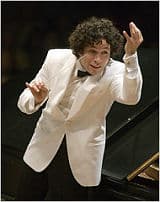
The metaphor of the conductor
So, it is my contention that HR requires skills ranging from the highly analytical to the highly theoretical. Of course, yes, a wise HR Director will know his/her own strengths and hire complementing skills, but is it enough to bring in experts and and let them manage their teams?
I love the metaphor of the orchestra conductor in thinking about that question.
The conductor probably plays one or more instruments, but he or she knows the science behind every instrument, the range of each instrument, the capabilities of producing sound and volume, and the technical details of producing the overall experience that he envisions for the piece. He or she knows how to put it all together to produce something cohesive, focused, technically correct and musically sound.
One of the responsibilities of leadership is to ask good questions. How can an HR leader ask good questions about a proposal to implement a new learning management system without understanding the systems that are already in place, and how this will integrate (or not) with other systems?
Without a fundamental knowledge of how data is stored, maintained and produced, the HR leader may not know to ask questions like “are there data fields used by other systems that will be incompatible with this?” Or, “have we looked at the data we need from all of our systems, and do we understand how this new one will integrate?”
Understanding all the roles
Again, chances are there are subordinate leaders who can answer these questions. But will they answer them for the good of the organization as a whole, or, because they REALLY want a chance to demonstrate how their team adds value?
We are all human; if I am the Chief Learning Officer and really want the bells and whistles of an amazing Learning Management System but my chosen system will cause confusion with the managers and employees because they have to enter data in two places, and know which one to use when, I’m not looking holistically. Unless someone calls me on it, I may make a bad business decision.
By understanding all of the roles, competencies and vulnerabilities of each of the disciplines of the profession, the HR leader is better able to lead the team to decision-making that is in the best interest of the organization as a whole.
I think HR leaders can take a lesson from the orchestra conductor; know enough about each area, each individual and their motivations, create a strong vision, rein in those who stray, and make holistic decisions.
This originally appeared on the ….@ the intersection of learning & performance blog.