In a survey conducted at the end of last year, 59 percent of employers expected their global immigration needs – that is, their need to send U.S. nationals to work abroad – to increase this year. And global immigration is increasingly an area a company’s HR team is expected to handle. But what happens if you’re tasked with overseeing global mobility but don’t have any experience doing so?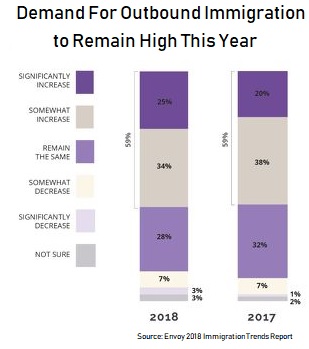
Here, I offer a starting point: Three important considerations for managing global immigration to maximize the odds that your work will increase employee retention and boost your company’s bottom line.
1. Global immigration is a cross-functional endeavor
Maybe the most important thing to understand about managing global immigration is that it requires significant collaboration among teams. A typical global placement requires an HR professional to complete not only their own work but also coordinate with, at a minimum:
- The employee, who may have to fill out forms and complete other preparations.
- Legal counsel, who can verify that all documentation meets the destination country’s guidelines.
- The employee’s managers in the United States and abroad, to coordinate start and end dates, work expectations, and more.
The takeaway here is that coordinating global immigration takes time and requires input from many parties. Leaving plenty of lead time ahead of deadlines will make the process less stressful.
2. Support on international assignments is crucial
Even employees who are the most enthusiastic about working abroad will require ongoing support to be successful in their roles. This support may include:
- Onboarding when they start at their company and when they start in their international role.
- “Reboarding” when they return from abroad.
- Mentorship from employees in the international office and those who have been through the process.
- Support from non-employees they may be interacting with abroad (suppliers, partners, etc.).
Part of the work of the HR professional managing global immigration is investing in and coordinating these non-core aspects of international placements and empowering employees to reach out about their questions and concerns while they’re placed abroad.
While working internationally can be tremendously rewarding, it can also be tremendously challenging. Offering employees support systems to handle those challenges will increase the odds that they successfully complete their assignments and return to the home office with valuable new insight and experiences.
3. Compliance matters. A lot.
Every country has different immigration laws and requirements. But destination country isn’t the only factor that will affect employees’ immigration requirements; the type of work you need them to do and the length of time they need to stay will help determine which kind of documentation they need (work permit, business visa, entry visa, etc.).
As in the United States, immigration laws and requirements abroad aren’t standing still. In the last year alone, Australia and China have both updated requirements for incoming international workers.
Missing a filing deadline or forgetting an essential form can ruin an employee’s chances at working abroad – and your company’s chances at achieving specific goals it had for its international offices. In some cases, it can even lead to fines and legal trouble.
Because of the complex and frequently changing immigration requirements around the world, I strongly recommend working with an immigration attorney, especially if you don’t have a background in managing global immigration. It’s also wise to invest in software that can help you manage filing deadlines and track paperwork in a single digital place.
Grow with global immigration
A study from 2016 found that companies that prioritize employee mobility are more successful than those that don’t by a number of measures: revenue, profitability, customer satisfaction, and market share.
For international companies, it makes sense to have an international and internationally mobile workforce. HR professionals can ensure the ongoing value of these programs by balancing the human side of immigration with the demanding legal requirements to ensure that individual employees and the company overall enjoy positive, rewarding outcomes.