Advertisement
Yes, After-Work Drinking Is a Serious Workplace Issue

Get articles like this
in your inbox
The longest running and most trusted source of information serving talent acquisition professionals.
Advertisement
Related Articles
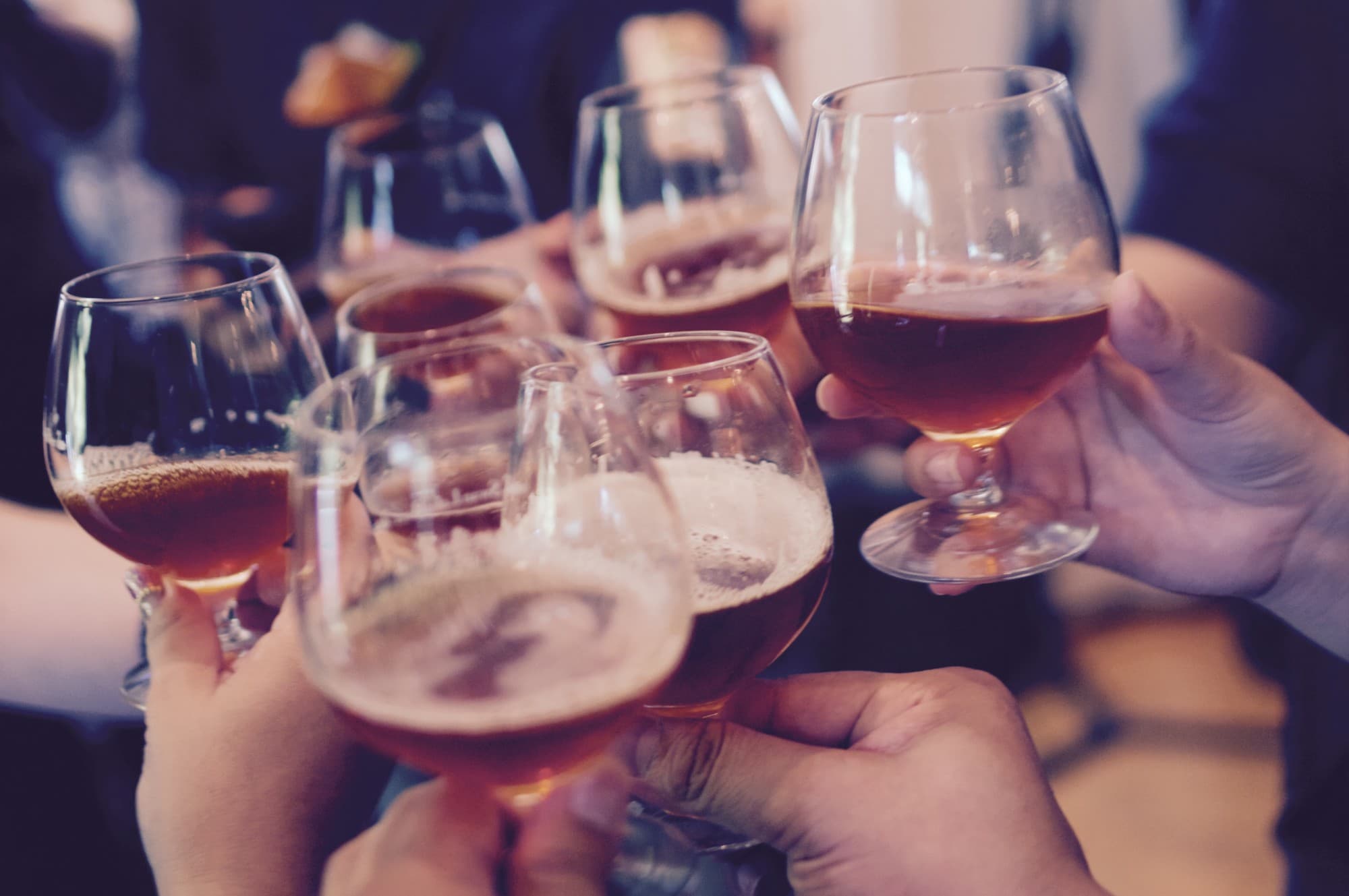
Picture this: you’ve had a long day at work. Jane from accounting suggests stopping by the local bar for an after-work drink. She invites your boss and a few other colleagues. “It’ll be great to talk through next week’s presentation with a beer in my hand,” she jokes.
But this seemingly innocent plan can have serious repercussions.
According to a new study conducted by American Addiction Centers and Alcohol.org:
More concerning, the average American worker spends more than $3,000 per year on after-work drinks. Sound like a lot? It is—that’s approximately 650 beers per year.
According to the study, most workers spend about two hours drinking after work, which can extend their day to 11 hours. Alcohol is the most widely misused substance, and frequent drinking can lead to dependence or addiction.
Going out for drinks has become a routine for work-related celebration, whether it’s winning a new account or nailing a big presentation. With the rise of coworking spaces, regular beer on tap is advertised as a selling point. Some companies even designate a day of the week for an after-work happy hour. In many organizations, drinking at work is even encouraged, with some companies proudly promoting their Thursday afternoon beer cart perks for recruitment purposes.
The risk of overconsumption in a workplace (or work-related) setting can have serious repercussions for both the individual and their company. The problem is, after-work drinks can be dangerous. The average post-work booze session lasts almost two hours, adding substantially to an already long day on the job. This can contribute to exhaustion, brain fog, and overall lower productivity among workers.
Happy hour has also become a substitute for networking and brainstorming, with a third of the American workers surveyed saying that getting drinks after work promotes team bonding. While the neighborhood bar might provide a neutral environment where co-workers can discuss issues and ideas beyond the pressures of the office, drinking can also lead to situations where employees might say things they don’t mean, make commitments they can’t keep, or behave in otherwise irresponsible or offensive ways.
I’m sure many people are saying, “What’s the big deal?” People have been grabbing drinks with colleagues for years. But the study revealed the average after-work booze session lasts almost two hours, adding substantially to an already-long day on the job. It has also become a substitute for networking and brainstorming; a third of American workers think drinks after work is good for team bonding.
While HR can establish codes of conduct that employees must abide by, there will still be limitations on all employee actions outside the workplace. That’s why it’s important for HR leaders can take steps to better manage the things they can control:
It’s not HRs responsibility to control what employees do after hours. Still, by setting clear expectations and boundaries with staff, HR can play a role in curbing destructive drinking behaviors.