Advertisement
What to Do When Trust With Your Employees Breaks Down
Get articles like this
in your inbox
The longest running and most trusted source of information serving talent acquisition professionals.
Advertisement
Related Articles
By Vanessa Hall
In a perfect world, your employees will always trust you and your organization.
In spite of your best efforts, though, trust can and will erode. That’s the bad news. The good news is you can recover. How do you rebuild trust?
I’d like to specifically highlight two areas here.
The first is the concept of seeking feedback from employees and engaging them, through surveys and other means, in the direction of the business. One of the things I have seen time and time again in companies is the well-meaning employee opinion survey followed by . . . nothing!
I once worked for an organization that conducted such a survey, and the months went by with no communication of the results. When I quizzed my manager on it, he admitted that the results were so bad that senior management decided not to release them!
Why bother asking if you are not going to do anything about it? One of the things I tell people who look at doing the Entente Trust Survey is that they have to promise they will take action on the areas showing low levels of trust. If the commitment is not there, I tell them not to bother, and cer- tainly not to do the survey. I certainly don’t want my name associated with a “survey that didn’t work.”
What happens when a company surveys its employees?
The communication surrounding the survey needs to be managed very well so that expectations about what is likely to happen, and when, are managed properly. The best thing to do is get everyone involved. When you release the results, get your people involved in determining the best solutions and ways of improving the areas that rated poorly. As was demonstrated in the Fantastic Furniture story, everyone has something of value to add, if you just listen.
The second thing I want to point out is the comment about disciplining underperforming employees.
We’ve all seen it. The couple of people who have been slack and not pulled their weight, or the people who got the job done but left a trail of destruction in their wake. When these people are rewarded just like everyone else, it blows all the good things the leaders might have done before.
I was at a breakfast not that long ago and someone told a story about how the manager had bought a few books of movie vouchers to give out as rewards throughout the year. One day she checked them and realized that they were, unfortunately, about to expire that week. As a result, she gave them out to all the staff. All the staff. That is not reward and recognition. That’s poor management.
There is a fine line between equity and fairness in the workplace, between reward and recognition for performance. If you build a performance-based system, stick to it. By having the system, you have created expectations and have made promises — some explicit and some implicit — about how people will be treated.
It does take courage to be able to give constructive feedback to an employee who is underperforming, but I can guarantee that the rest of your people will be watching you like a hawk to see that it is done, and they will trust you more for it. It meets their needs for security and for fairness and respect.
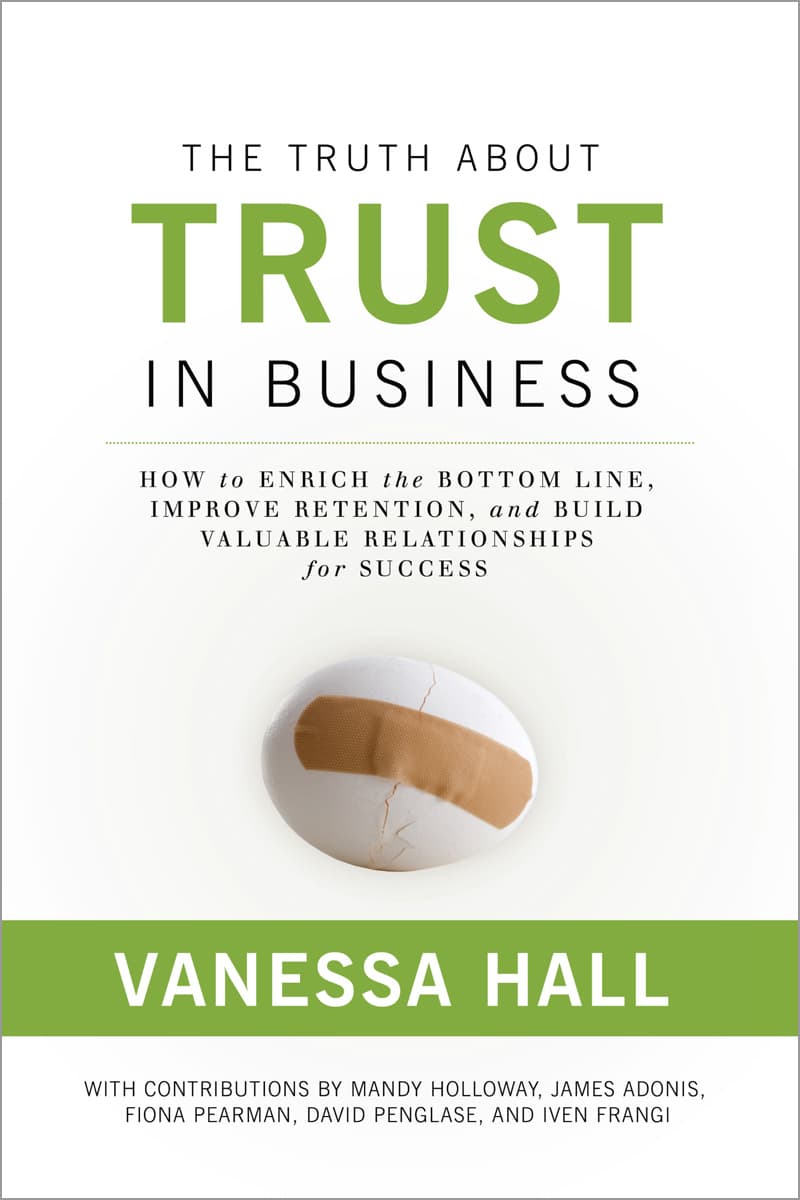
Excerpted from The Truth About Truth in Business by Vanessa Hall. Copyright © 2009 Vanessa Hall. Published by the Emerald Book Company, Austin, TX. Reprinted with permission.