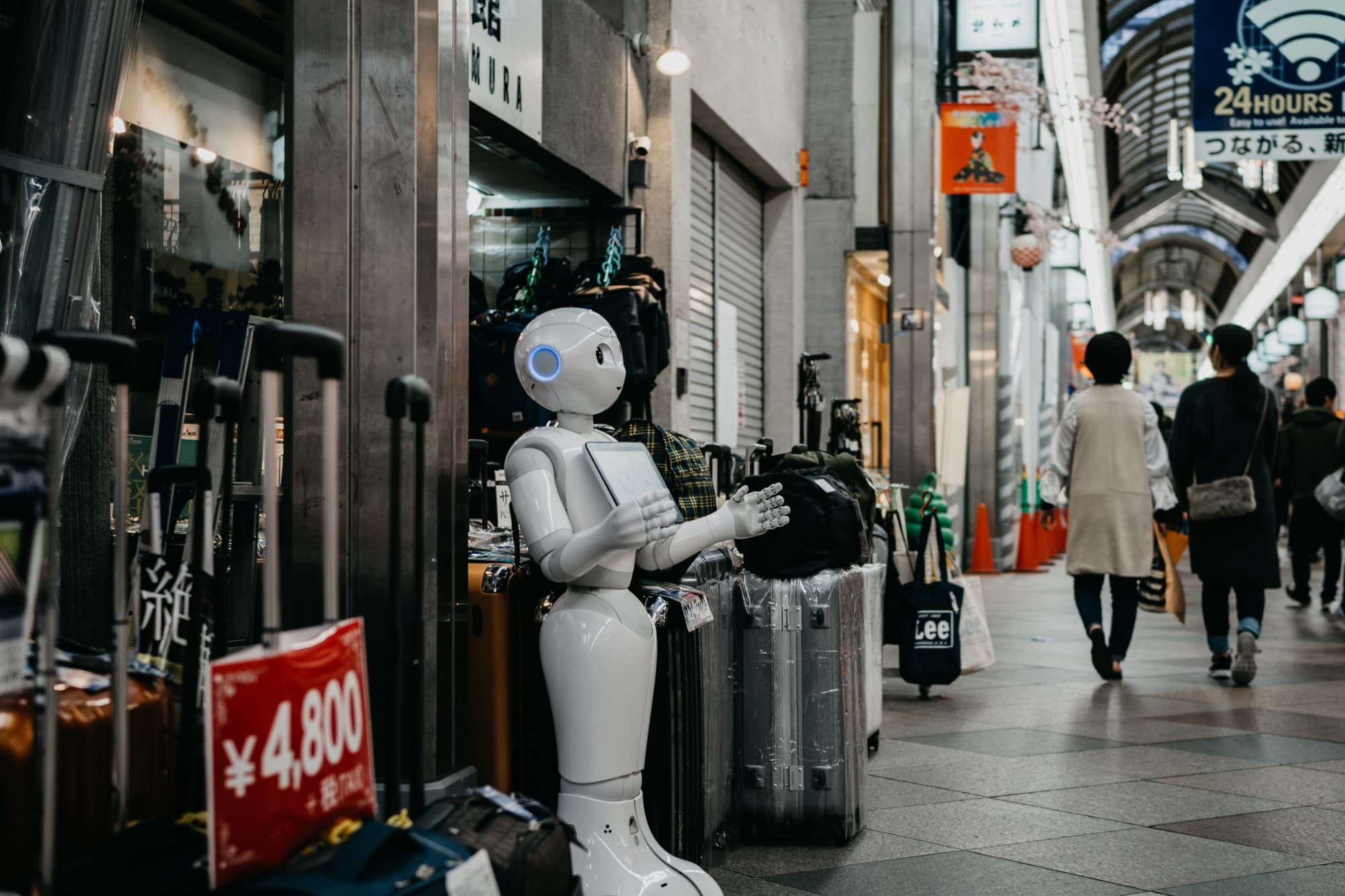
As the pandemic and its impact continue to squeeze the economy, investors aren’t sitting on the sideline. In fact, as record unemployment continues to rise and HR leaders work longer hours, venture capitalists are placing a bet on automation in HR.
An analysis by Pitchbook explains the reasoning behind this move:
While it is too early to gauge how the crisis will impact the HR automation industry in the long-run, companies in the space will likely face a distinct set of challenges ahead.
HR automation companies need to be able to demonstrate that they can identify more qualified candidates compared to competitors, lower costs and help companies reach their diversity targets faster, [chief investment officer at Alumni Ventures Group Anton] Simunovic said.
“HR automation is a ‘show me’ industry, and startups in the space need to prove that they can convince clients to overcome the inertia of traditional HR processes to hire quality talent,” he explained.
Talent acquisition-focused solutions like Mya Systems and Paradox or HR and learning software like Oyster and Whatfix are just some of the examples of this trend.
As of right now, most of these technologies are not in the job elimination game. They generally exist to improve or ease the experience for end-users, whether they be recruiters, candidates, HR & learning professionals, managers, or other internal employees.
As a possible recovery continues, it will be interesting to see if automation is a top concern of investors. At the very least, digital-first solutions within the workplace are going to see significant growth and certainly, automation and AI-driven solutions can be a part of that.
Quick hits
- 2.4M more people in the U.S. filed for unemployment last week, bringing the total to 38.6M since the start of the pandemic. [Yahoo! Finance]
- Small businesses continue to be hit hardest, with 31% of owners and managers reporting they are not currently operating. [Small Business Roundtable/Facebook]
- This interactive benchmark on how companies and employees have responded to the pandemic is the first I’ve seen. [Culture Amp]
- 34% of businesses have established timelines for survivability, with 28% already reaching their breaking point and 19% expecting to hit it by July. [WorldatWork/Greenwich.HR]
- Over half of HR professionals surveyed say they are working longer hours thanks to the pandemic. [Fishbowl]
- 47% of organizations say they can accommodate up to 50% of their staff with social distancing guidelines. That suggests remote work could be the norm for a while. [OperationsInc]
- 78% would not consider a job change assuming they can continue working safely at their current job [Yoh/The Harris Poll]
- 58% of employees say that remote working has no impact on their day-to-day performance. It seems like that number should be lower. [Quantum Workplace]
- 46% of employees reported that they felt generalized anxiety much of the time. [ComPsych]
- Learning content provider GO1.com announced $40M in Series C funding. [Press release]
- Intranet and collaboration platform Happeo announced $12M in venture funding. [Press release]
Stressful jobs can kill you but good jobs fuel better health
Bad jobs that can kill in the era of COVID-19 might seem limited to those in essential industries, but any job can be harmful with the right amount of stress. Indiana University researchers followed more than 3,000 Wisconsinites for two decades and found that both a heavy workload and lack of autonomy correlate with poor mental health and, yes, even death.
The good news is that better jobs can actually help your health. The key ingredient? Autonomy and intelligence. Fast Company explains:
“When job demands are greater than the control afforded by the job or an individual’s ability to deal with those demands, there is a deterioration of their mental health and, accordingly, an increased likelihood of death,” says lead author Erik Gonzalez-Mulé, assistant professor of organizational behavior and human resources. “We found that work stressors are more likely to cause depression and death as a result of jobs in which workers have little control.”
The reverse was also true: Jobs can fuel good health, particularly jobs that provide workers autonomy.
Fascinatingly, the amount of autonomy at work turns out to be not a stressor in itself, but control does let people cope with other stresses of work. Intelligence was also found to be a coping mechanism for job stress. “People that are smarter are better able to adapt to the demands of a stressful job and figure out ways to deal with stress,” says Gonzalez-Mulé.
Helping your employees gain the intelligence to adapt to the demands of their jobs and giving them the freedom to make those adjustments? This seems like self-determination theory 101 but it’s good validation that the things that work continue to be the things that work.
The weekly wrap is where TLNT shares the stories that didn’t quite make it into a full post this week. We’ll also share links to some of our favorite things we read this week about HR, people development, the future of work, and more.