The weekly wrap is where TLNT shares the stories that didn’t quite make it into a full post this week. We’ll also share links to some of our favorite things we read this week about HR, people development, the future of work, and more.
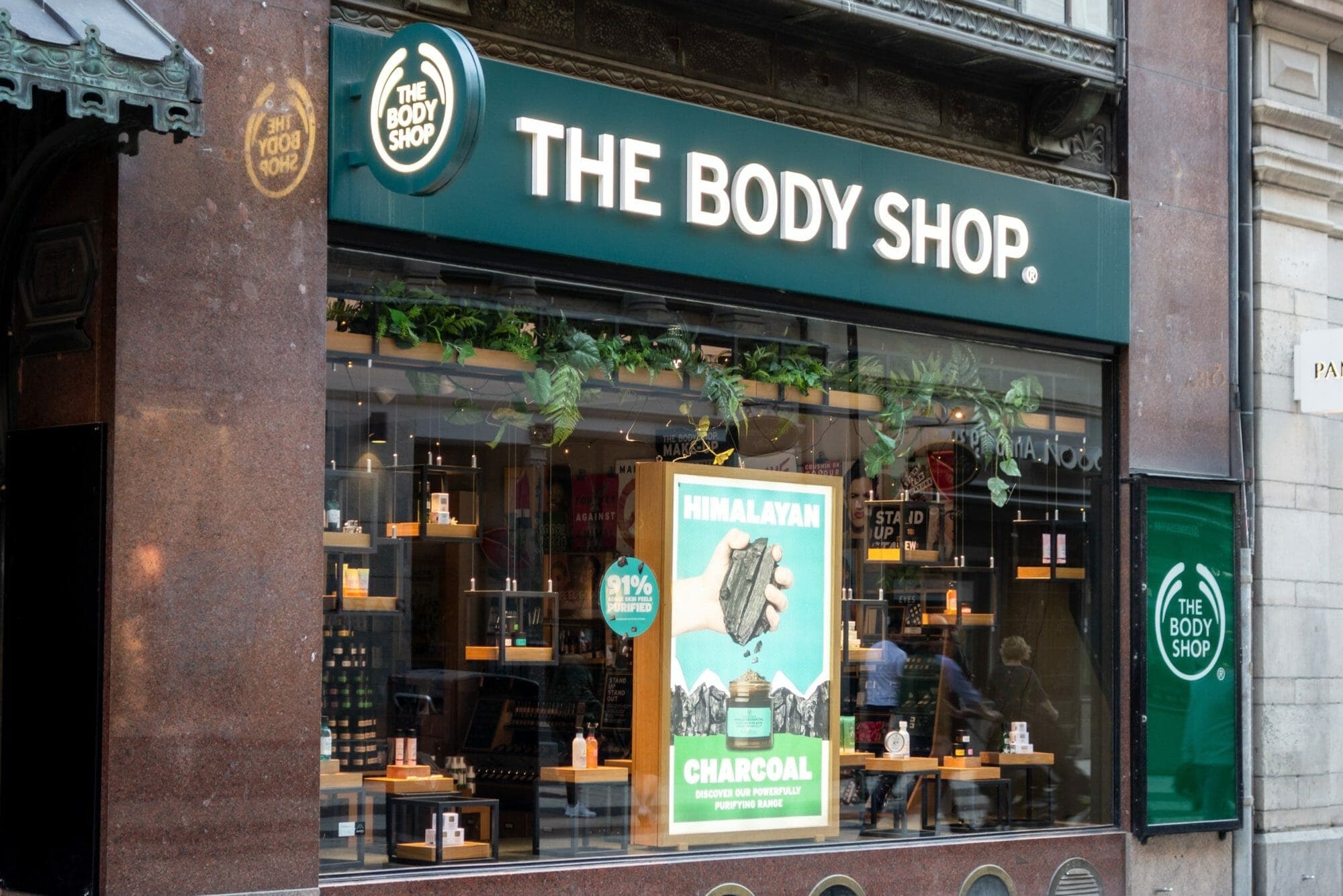
Hiring is difficult for many organizations, especially in a very competitive retail environment. So, beauty retailer The Body Shop is doing something in their retail stores that they piloted in their distribution center at the end of last year: First-come, first-served hiring. Andrea Blieden, general manager of U.S. operations of The Body Shop, explains it to Fast Company in a story that ran this week:
“We’re not asking for your background check. We’re not asking for you to be drug screened. And there’s only three questions to get a job. It’s, ‘Are you authorized to work in the U.S.? Can you stand for up to eight hours? And can you lift over 50 pounds?’”
This approach isn’t completely new. Greyston Bakery popularized and even put together case studies around what they call Open Hiring. The case that Greyston and The Body Shop make is simple: The barriers that many organizations put up when hiring employees harm their business and hurt disadvantaged groups often excluded from employment opportunities. Removing those barriers is credited with decreasing attrition at The Body Shop’s distribution center and reducing the number of temp agencies they had to deal with to one.
With the emphasis on creating more inclusive workplaces, Open Hiring may seem like a logical (albeit radical to some) extension of a march to this end. It also shows that some of the most exciting approaches to creating advantages in hiring are happening outside of Silicon Valley and without the aid of technology.
Quick Hits
- IBM CEO Ginni Rometty is stepping down, being replaced by Arvind Krishna, head of cloud services for the technology giant. Rometty is one of the most visible female business leaders in the world and has led IBM through the rocky path of transforming their business. She will stay on as executive chairwoman through the end of the year. [NY Times]
- Uber and Postmates lost their case in California to delay AB5, a law intended to protect the rights of gig workers, from taking effect. The companies are banding together to fight against the law with a proposed ballot measure aimed at the November election. [ERE.net]
- Eileen Naughton, Google’s vice president of people operations, is transitioning to a different role in the company. The search giant has weathered a number of workforce issues, from labor organization to criticism for their handling of sexual harassment. In a statement, Naughton said she is leaving the role for family reasons. [TechCrunch]
- A court-ordered collection of gender and race pay data by the Equal Employment Opportunity Commission (EEOC) has come to an end. A judge with the U.S. District Court for the District of Columbia deemed the collection complete after the EEOC and equal pay advocates agreed they could wind down the effort. The EEOC and White House are still fighting the revival of Obama-era pay reporting. [Bloomberg Law]
- Slack has outmaneuvered rival Microsoft Teams to earn the designation as IBM’s official communication app. It will be rolled out to all 350,000 employees at the technology company. Slack has previously reported that IBM was already their largest user before the move to standardize across the organization. [The Verge]
- Aptitude Research is releasing a multi-part research report based on a survey of more than 1,000 hourly candidates. One key stat: Just 62% of hourly candidates hear back from an organization after they apply for a job. Gotta do better than that. [Aptitude Research]
- New research released shows that 67% of organizations say that pay transparency is increasing in importance. Then again, just 14% of them say they are doing anything beyond a “moderate level” about it. If you’re a pay transparency advocate, there’s not a lot to get excited about here. [WorldatWork]
- A census of HR leaders shows a group that’s tired (6.6 hours of sleep a night), people-focused, not gunning for the CEO spot (just 31% say they’re interested), and deficient in areas like diversity, analytics, and workforce planning. [Talent Strategy Group]
What Does the Drop in Job Openings Mean?
The U.S. Department of Labor’s Job Openings and Labor Turnover Survey (Jolts) found that job openings fell 8% in December to approximately 6.4 million jobs, the lowest level in nearly two years and down significantly from record highs just a year ago.
Just last week, the Labor Department released information that showed employers adding 225,000 jobs in January. Not exactly the end of the world quite yet, given the average number of jobs has stayed relatively consistent over the past three months.
Economists cited by Barron’s credit an economy that has slowed a little from a year ago as the primary culprit. “While we hear a lot about the difficulty in finding qualified employees in a tight labor market,” Peter Boockvar, chief investment officer at Bleakley Advisory Group told Barron’s, “it’s clear here that with a 2%-type GDP economy rather than something near 3% has resulted in a lesser demand for labor.”
I know some people are out there waiting for the shoe to drop on another 2008-type of recession, but the employment indicators simply aren’t showing anything close to that. At least, not yet. We’ll keep an eye on it, of course.
Are Candidates Lying to You? Yes. Do Your Hiring Managers Care? No.
In new research from Checkster, 78% of candidates copped to lying or exaggerating on their resume. The more surprising part? Two-thirds of hiring managers don’t care. The lie that hiring managers were least tolerant of is fake references (44% said they would never hire anyone who gave a fake). The lie hiring manager care least about? 92% say they would look past a candidate exaggerating their GPA by more than a half-point.
“While these high levels of applicant misrepresentation are shocking, what’s even more disturbing is that most companies do not weed out these fraudulent applicants during the hiring process,” said Yves Lermusi, CEO, Checkster in a statement that accompanied the report.
The report is fascinating on many levels, much of it due to the high number of hiring leaders willing to overlook lies, exaggerations, and misstatements by potential employees almost across the board. The through-line to me, especially when you look at the differences, comes down to relevance. It might not be a mainstream point of view in recruiting and HR, but for many in hiring roles, some of these violations simply don’t matter as much. Should it be any surprise that hiring managers are willing to look past information that is less than relevant to them, even in spite of any possible ethical violations? Does the pressure to put together an acceptable looking professional presence push candidates to fib about an employment gap ten years ago that shouldn’t matter — but often does?
I won’t be the guy who says, “Go ahead, lie on that resume.” But I will call out the many preposterous ways recruiters and HR professionals use to disqualify a candidate (employment gaps, bogus GPA requirements, job requirements that are more exhaustive than useful, detailed background checks that are simply a CYA exercise). We can hold candidates to a higher standard and fix the ways we evaluate and qualify suitability for roles.