Advertisement
Weekly Wrap: 2 Lessons to Learn From the Replacement Ref Fiasco

Get articles like this
in your inbox
The longest running and most trusted source of information serving talent acquisition professionals.
Advertisement
Related Articles
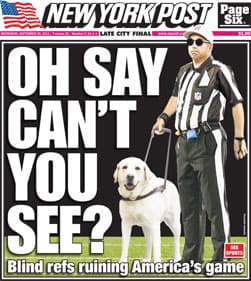
Yes, I know; we’re all more than ready ready to put the NFL replacement referee fiasco in our rear view mirror.
Whatever you want to say about this experiment in taking C and D-level workers and expecting them to expertly replace A-level talent overnight, this much is clear: it was a talent management case study that is one for the textbooks.
My guess is that business schools are already dissecting the management hubris and arrogance that helped to create such a mess and deliver such a negative jolt to what most people thought was an invincible brand.
It was a debacle, a train wreck, a disaster, but there is some good that can come from it. That is, there are a few good talent management lessons we can take away from this sorry mess besides how short-sighted and stupid Commissioner Roger Goodell and the NFL owners were in pushing this job action against their veteran referees in the first place.
There are two key ones that jumped out at me:
One thing that has been very clear during the Great Recession and not-so-great recovery is this: management wants talent on the cheap. They want experience, but they aren’t really willing to pay for it, and in fact, they go out of their way to NOT pay for it if they can get someone with a lot less experience who seems OK for a lot less money.
Baby Boomers especially have been labeled as selfish for trying to hold on to jobs by touting their years of work and experience, only to get push back from hiring managers who want to deeply discount all of it.
As the headline on Lynn Zinzer’s NFL Fifth Down blog at The New York Times stated so plainly, “NFL Undervalued Competence, Paid in Integrity.” Here’s the crux of what she said:
Maybe the biggest idea that should linger from this is: there is much more value in competent individuals doing their jobs, being paid respectably and treated with respect than most people ever realize. The NFL clearly undervalued this, which should not come as a surprise because it is pretty much a national corporate epidemic. But what people should recognize as the regular refs return is that while they will botch their share of calls, they are the best officials, and best-trained ones, out there. …
In the end … (people) will remember the horrendous ending of the Seahawks-Packers game and they will remember the league was arrogant enough to think it could skate through it. But it is hoped that they will also remember why good employees are actually assets and not just bottom-line liabilities. What a concept.”
Yes, that hits it squarely on the head. Good employees really ARE great assets, and that’s something that seems to have been forgotten for too long by too many during the last five years of economic turmoil.
Good, experienced people bring great value to what they do, and if there is one great lesson to come out of this fiasco, it’s that executives and managers need to care a lot more about that before its too late. We need to wake up and remember it again.
Hubris and arrogance is never easy to take, but people will accept it — grudgingly — IF it is cloaked in unquestionable excellence.
The NFL, for all its success, is an arrogant league run by over-the-top arrogant owners who then went out and hired a commissioner who reflects their arrogance and hubris perfectly. The leadership of the NFL — its executive management — felt that they could do what they want to their veteran referees without consequence because no one would care or question what they were doing given the league’s enormous popularity and success.
Big mistake. It was hubris unchecked — kind of like what happened all those banks and financial institutions that were “too big to fail” that people now hate with a passion. As Jeffri Chadiha wrote on ESPN.com:
As much as people want to apply blame to both sides in a labor squabble, it’s impossible for me not to fault the owners on this one … It’s because the owners so clearly bet on the fans siding with them when the regular season began. They thought we didn’t care about the refs before this point and we weren’t going to care about them once the real games began.
That arrogance meant as much to the lockout as any demands the officials made in their negotiations. The owners knew fans would still come to the games in droves. They knew the action would still draw millions upon millions of viewers each weekend. As long as the bottom line wasn’t affected, the league could live with a tainted product. The owners figured we would do what we’ve always done, which is stick with the league no matter what. …
The hope here is that the league learned a valuable lesson: Greed gets you only so far. They bet on our ambivalence and believed that the popularity of the sport would help their cause. They certainly never saw their league turning ugly enough to draw a bright spotlight on a matter few people seriously were discussing three weeks ago.”
http://www.youtube.com/watch?v=rfKMCAlNP8s&feature=player_embedded#!
Corporate arrogance has been a defining characteristic of the economic downturn, and it is a large part of why employee engagement is in the toilet. Workers are fed up with the notion that they should be happy to have a job and that if they don’t like the pay cut-furlough days-layoffs-extra work, well, they can go find something else.
That’s what the NFL tried to tell its referees, and look how that turned out. Here’s hoping that Corporate America gets the message here that hubris unchecked will be the death of us all. A little humility, especially from managers on the job, is a always good thing — even if it seems in short supply.
Of course, there’s a lot more going on than employers worrying about what their workers are doing on their office computers. Here are some HR and workplace-related items you may have missed. This is TLNT’s weekly round-up of news, trends, and insights from the world of talent management. I do it so you don’t have to.