I was talking to friend recently about an interview process they were going through. I’ll take you through the steps:
- First contact. Came in the form of a referral – my friend was on the phone with a person from their organization – who referred my friend to their HR department.
- Second contact. Recruiter from the organization called my friend up to see if he might have some interest in a position they have open (a basic phone screen).
- Third contact. Next call came from another person in recruiting, doing a more in-depth phone screen (basically) so they-are-interested-in-the-position-but-are-we-interested-in-them?
- Fourth contact. Online behavioral assessment, personality type profiling, etc.
- First Interview. Basic phone screen with potential hiring manager — your online assessments came back and you aren’t completely crazy, so we would like you to move on. This call is really for hiring manager to see if there is somewhat of a personality match.
- Second Interview. Phone interview with Hiring Manager’s boss. If all goes well, we want to do an in-person personality assessment.
- Third Interview and in-person profiling. On site at organization, doing some profiling and finally meeting face-to-face with hiring manager and a few others from department.
- Fifth Contact. Interview debrief, some more clarifying questions. Everything seems to be progressing nicely. Then he’s told, we should be getting back to you within 2-3 weeks with an answer.
Exceptional candidates won’t wait that long
For the most part, nothing surprises me about this interview process. It’s actually pretty average from a corporate standpoint. The entire process to get to Step #8 took about three weeks, and assuming the decision will take another three weeks, you have six (6) weeks invested into finding a mid-management level candidate.
The problem with this being normal is that’s the type of candidate you’re going to get – normal. My friend is an exceptional talent, wasn’t looking, but through a referral was interested enough to engage this company’s process. As soon as he heard it would take two to three weeks to have a decision, he made up his mind that he was no longer interested.
His feeling as this: why should it take two to three weeks more for you to make up your mind? After all those steps, you either know you want the person, or you know you don’t.
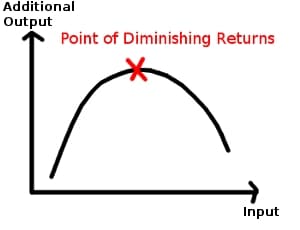
I believe we in HR are great at setting up processes to the point we get diminishing returns on whatever it is we are trying to accomplish, with the thought being: “well if one assessment is good, two must be better and if two is better, three must be tremendous.”
Applebee’s Performance Management approach
But after a while more isn’t better. When I was at Applebee’s, we had a tremendous performance management process in place. Twice a year, the leadership teams across the country would sit down and specifically talk about each management level person we had and how they were performing to a set of competencies we had. We would force rank each manager and determine how to help develop people to move up within the rankings, and, did we have someone that just needed to be off the bus because development just wasn’t working?
I made one small change to this process, which usually would take an entire day or more to complete. We could only talk about an individual for 10 minutes, max.
Why 10 minutes? Because once you talk about someone for more than 10 minutes, they turn into a piece of garbage. They could be #1 on your list, your best performer, yet by minute 11 they turned into someone who couldn’t tie their shoes and chew gum.
Yes, this is “The HR Law of Diminishing Returns.” Too much of something doesn’t give you better, it just gives you more – and many times more isn’t what you need.
HR Pros, please don’t add just to add; add only if it’s going to get you a faster, better result.
This post was originally published on Tim Sackett’s blog, The Tim Sackett Project.