Advertisement
The Challenges You Face Using Social Media Screening and Hiring Process
Get articles like this
in your inbox
The longest running and most trusted source of information serving talent acquisition professionals.
Advertisement
Most business functions have – to some degree – succumbed to the ubiquity and power of social media, and the HR department isn’t immune.
According to research conducted by the Society of Human Resource Management, 76 percent of companies currently use or plan to use social media during the recruiting process.
Whether it’s spreading the word about a new job posting through LinkedIn groups, or reviewing candidates’ Twitter feeds before an interview, social media offers HR managers a quick, cost-effective way to expedite the recruiting process.
But while social channels seem like an obvious resource for pre-employment screening, there’s an incredibly fine line between appropriate and problematic use. When applied inappropriately, social media screening can prompt a slew of legal risks related to user privacy and employee discrimination.
Despite a vague regulatory landscape in regards to social media and the hiring, compliance executives and HR departments should start enforcing their own standards in order to preempt backlash – legal or reputational – later on.
Amid the volumes of U.S. federal and state laws surrounding employee discrimination, there is a notable absence of government guidelines when it comes to the still new realm of social media. Official plans to instate definitive regulations remain, unfortunately for organizations, indefinite.
The U.S. Equal Employment Opportunity Commission held a panel this past March where both public and private sector representatives discussed how social media use by employers, employees and applicants intersects with other EEOC-enforceable laws.
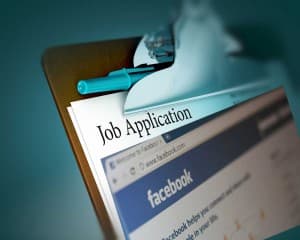
HR and corporate counsel experts agreed that while Facebook and LinkedIn can be invaluable in their ability to filter candidates by professional qualifications, discrimination could result from wrongful use of race, gender, age, ethnicity or other demographics available on social profiles. In today’s information-oversharing era, applicants have more ammunition to claim hiring discrimination due to a Facebook profile or Tumblr post that conveys political affiliation or religious views.
Panels like this may be stepping-stones to future policymaking, but the EEOC has yet to issue rules (or announced plans to do so) that clarify employers’ use of social media-derived information for hiring purposes. For now, organizations must take due diligence into their own hands.
Even without top-down guidance, there are concrete ways businesses can prevent the potentially severe fallout of misusing social media information during the hiring process.
To guarantee a painless revision process later, organizations would be wise to digitize their current policies and educational reinforcements now. Making this information accessible online, via the corporate intranet or employee mobile devices can augment staff compliance, and foster continued training.