Advertisement
Stop Sending Email No One Reads

Get articles like this
in your inbox
The longest running and most trusted source of information serving talent acquisition professionals.
Advertisement
Related Articles
Note: The following is based on research done for Faster, Fewer, Better Emails, which is scheduled to be released June 18.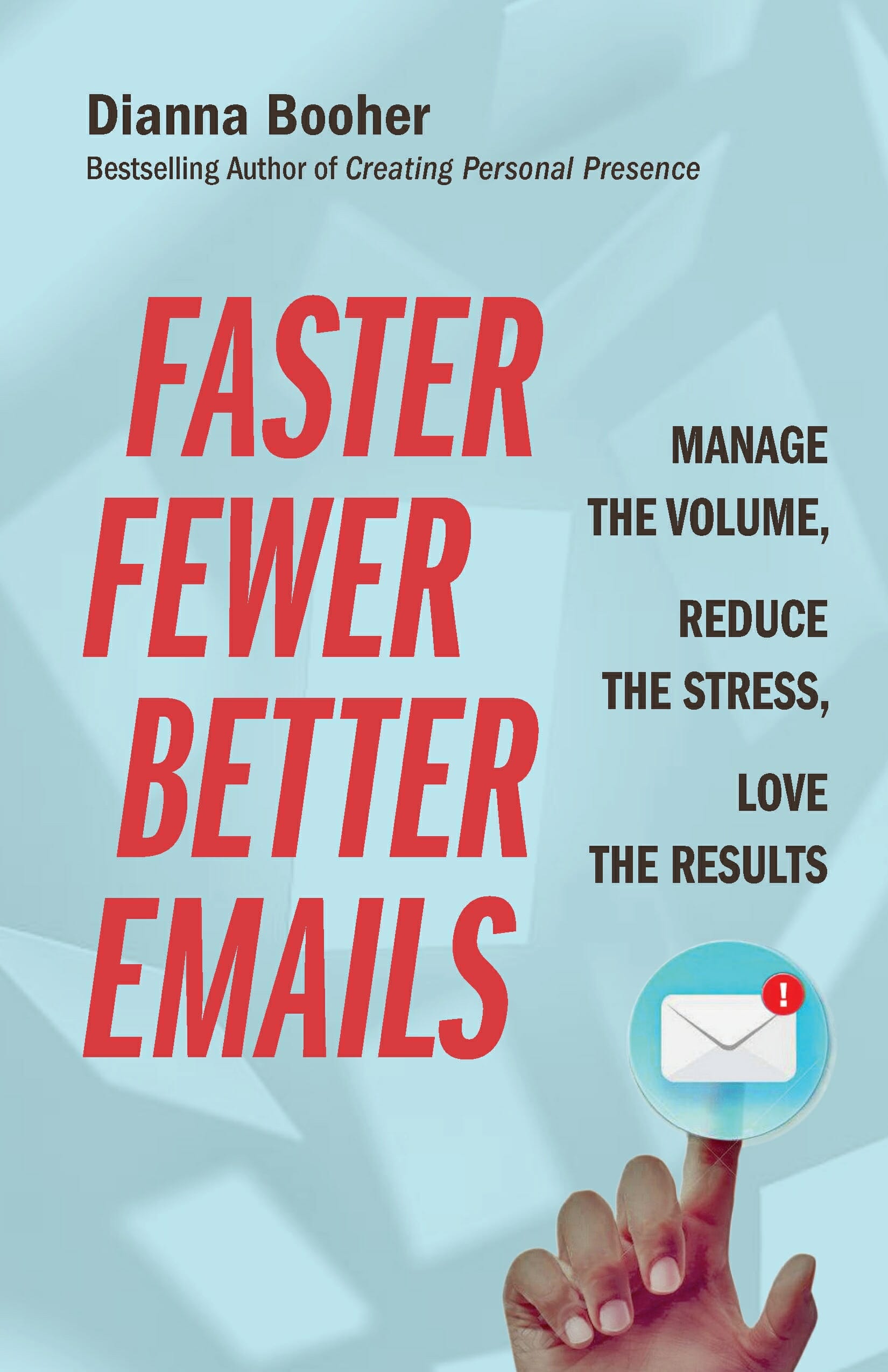
In a recent survey conducted by University of Northern Colorado’s (UNC) Social Research Lab in partnership with Booher Research, knowledge workers report they’re inundated with email:
Almost anywhere you turn, you hear complaints about the email monster overwhelming employees. Yet an earlier TLNT.com article included data from a survey of 1,200 US workers conducted by EmployeeChannel, Inc., in which workers at all levels reported that they desired more frequent communication from their employer, specifically from their HR teams.
Nearly half of the employees reported they felt “neutral, disagreed, or strongly disagreed” that the HR team’s communication efforts made them feel more informed or engaged at work. And a whopping 75% of the respondents said that HR communicates with them “never or rarely” or only “sometimes.”
Yet the corresponding HR teams say they are firmly committed to open communication and invest huge time and effort in communicating with employees.
Why the gap in perception? You can walk away with at least one major conclusion from these two surveys and all the stats: People say they want more communication, but they begrudge the time required to engage.
So what can you as an HR professional do to make sure your own communication “gets through”?
If you intend to push a message out to a wide audience, you’ll need to use a multi-channel approach. In the UNC survey, respondents were analyzed by age groups from millennials to “traditionalists.” Their use of text messaging, emails, phone, face-to-face meetings, and video conferencing varied by age group — but not dramatically.
The reasons: For the most part, when they communicate outgoing messages, the majority use email because that’s the channel that key decision maker/readers use. However, they don’t necessarily “live” on that channel for their incoming messages. To reach those employees, you’ll need to communicate with them where they “live.”
Respond to employees in the same channel in which they contacted you.
Granted, some people can be infuriatingly slow to respond to email. So when you must interact with these colleagues, you’re tempted to leave multiple messages in all channels: text, email, phone, social media. Most often, the employee’s reaction is annoyance.
Continuing to switch channels (that is, they phone you and you email your response) to YOUR preference is like saying “You live at the wrong address” or “You drive the wrong model car.”
Respond as they prefer — in the same channel.
80% of the participants in the UNC survey typically expect readers to respond to “important” emails within four hours or less. 59% expect a response within an hour or less.
What’s the standard response time expected in your organization? One hour? Four hours? Twenty-four hours? Are there exceptions? If so, what? If you don’t know, find out from your organizational leader. If you’re the leader, communicate the standard to your team.
Then protect your personal brand by living up to the standard. Slow responses suggest many things — most of them negative:
Can you personally, and HR in general, routinely afford to be considered the bottleneck to decisions and processes?
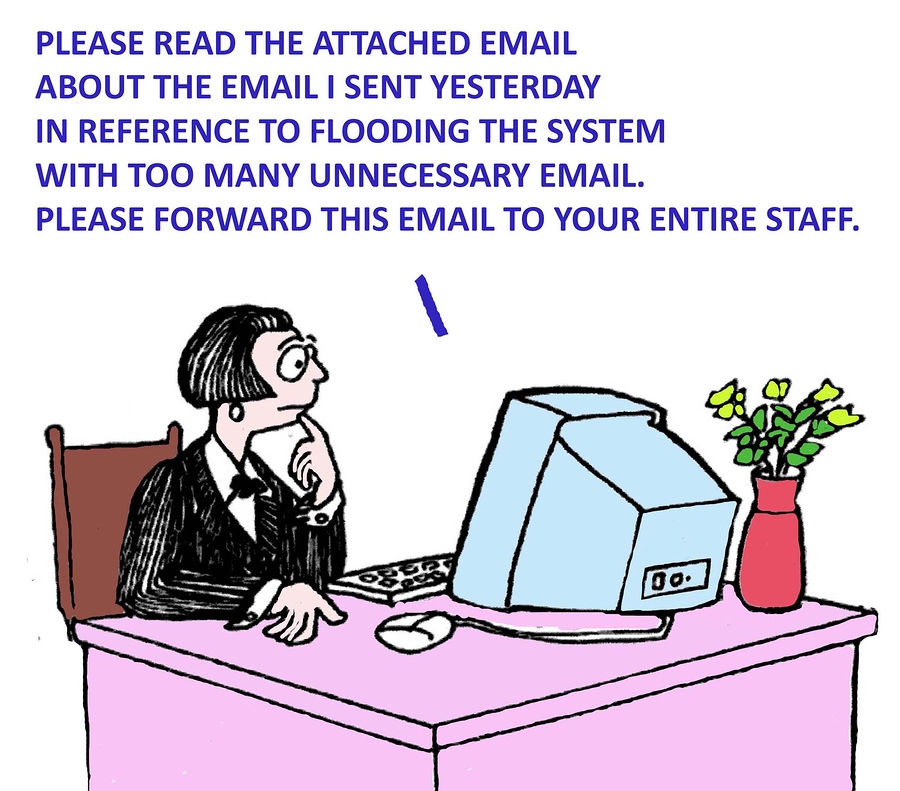
As with meetings, the larger the group, the lower the individual participation. When emailing for input, the same principle applies: When you email blast a large group, people feel anonymous, and fewer feel it’s necessary to respond. If you need input, limit the list. You’ll increase response, not to mention clearing inboxes for the uninterested.
Seriously. Hit SEND far less often, and your emails will grab more attention when they arrive.