Advertisement
How We Developed a Year Round Volunteering Culture


Get articles like this
in your inbox
The longest running and most trusted source of information serving talent acquisition professionals.
Advertisement
Related Articles
One of the growing workplace trends is employees’ desire to bring the dimension of volunteerism to their work-life schedules. One survey found that 68% of respondents felt it was imperative or very important their employers provide them with paid time off to volunteer. Paid VTO is gaining traction but has a way to go before meeting the expectations of employees. According to SHRM, 26% of employers offer paid VTO, indicating plenty of room on the adoption curve for more employer participation.
Ivanti was one of the early adopters in this VTO employer trend. We launched a VTO program in 2013, encouraging employees to spend at least 8 hours per year dedicated to volunteering for STEM education activities.
In the early years of the program, our employees contributed several hundred volunteer hours annually. As a tech company we assumed everyone would want to participate, but we learned that engineering and science wasn’t necessarily everyone’s passion or comfort area. A tech company is made up of more than engineers and programmers, so just focusing volunteer efforts on STEM was limiting in attracting all employees to be volunteers. In 2019 we expanded VTO to be unlimited (as approved by an employee’s manager) and to accommodate any recognized non-profit. Our goal for the year was to have every employee volunteer at least one workday (eight hours), but obviously doing more is encouraged!
In 2019, Ivanti launched a major VTO initiative: Ivanti’s Week of Caring. The idea was to help every employee reach their eight hours of volunteering goal by getting each office (globally) to participate in a service activity.
Some of the week’s activities included: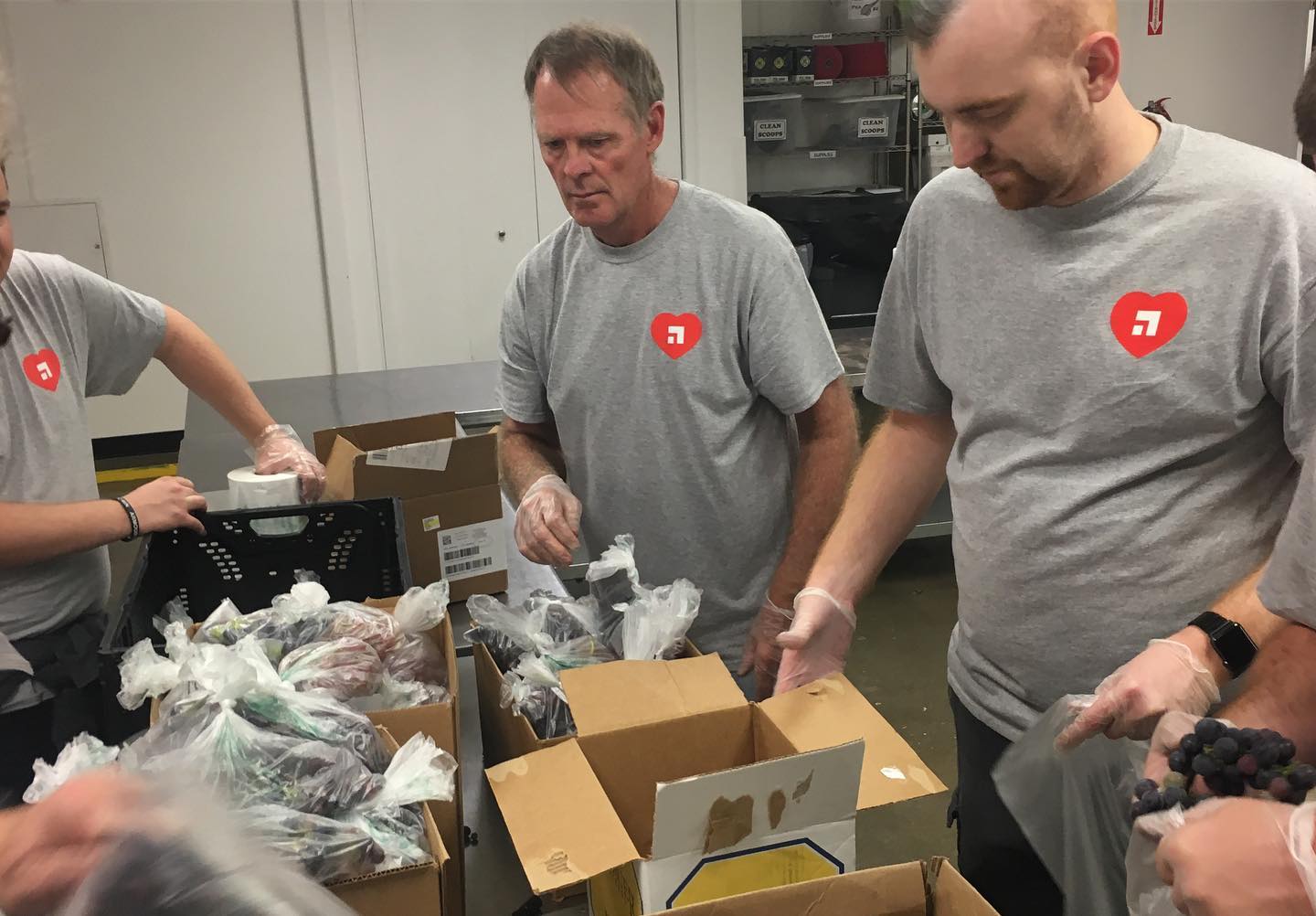
The Week of Caring surpassed expectations, with a total of 1,995.5 hours logged. Overall, the flexible approach and managerial support for volunteerism has dramatically increased volunteer hours, from just less than 700 hours in 2018 to 4,178 hours to date in 2019.
Besides opening up the VTO program to a wider range of non-profits, there are a few practices we learned that can help others effectively launch a new VTO program or enhance an existing one:
Establishing a Week of Caring, or designating a few days for a company-wide focus, is only part of the VTO picture. To reach year-long volunteerism goals, VTO teams need to nurture an ongoing company culture. Fortunately, technology is now on everyone’s side. Communication through company internal web pages, social media and employee communications channels can all be used to keep volunteerism top of mind year-round.
To begin educating employees about your VTO program, starting with their first day on the job is always a good idea. At Ivanti, new employees learn about VTO during the onboarding process. This is the perfect time to impress upon employees how volunteerism and VTO benefits are part of the company culture and reflected in OKR (Objectives and Key Results). Employees have at least eight hours of VTO and, if they don’t have a particular charity in mind, this is the time to point them to an internal web page that can offer suggestions.
Logging VTO hours needs to be as easy as possible. The best scenario is to use the same approval process as PTO. An employee can select VTO from a drop-down menu, put in the number of hours they want and get the required OK from their manager.
Going forward, Ivanti is considering moving to two weeks of caring as the special event, and planning more frequent initiatives, most likely on a monthly basis. If there are more of these types of opportunities, it could prompt employees to sign up for more projects, thus increasing overall volunteer hours. We will take the approach, “If we book it, they will come!”