Advertisement
Goodbye Color-Coded Threat System, Hello Better Communication?

Get articles like this
in your inbox
The longest running and most trusted source of information serving talent acquisition professionals.
Advertisement
Related Articles
Color me not-so-surprised that the current terror alert system is going away.
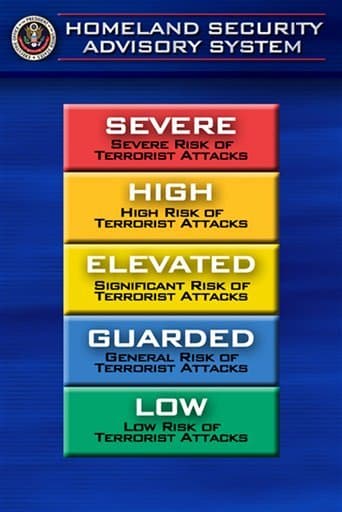
As CNN reported yesterday, the color-coded terror alert system that has been around since the days after 9/11 is going to be no more:
Homeland Security Secretary Janet Napolitano is expected to announce Thursday that the almost 9-year-old threat alert system will go away in April. It will be replaced by the new National Terror Advisory System that will focus on specific threats in geographical areas, a department source said Wednesday.
The source did not provide details of the new system, which Napolitano will unveil at what the department is calling “the first annual ‘State of America’s Homeland Security’ address” at George Washington University.
This is one small step forward for threat communication and a major lesson for employers everywhere.
It’s not like the system was a terrible idea at the time. A visual, more passive warning system about the status of the threat level is sort of useful. I liked knowing what the general threat level was even though it was usually right before I boarded a plane (I did not get alert status updates before flying).
In practice though, it was anything but useful. While there might have been some usefulness to the original system, there was no additional information, nothing specifically to watch out for nor any specifics on geography or potential targets. There was good justifications behind this (uncertainty of information, panic impacting travel, and other issues) but it left people either in a constant state of discomfort (especially when it rose) or, and probably considerably worse, ignoring it completely.
An internal report in 2009 at the Department of Homeland Security [PDF download] showed there were key concerns about the threat system including:
Theme 3: The levels
Related to specificity are comments about the nature of the threat levels themselves. Specifically, stakeholders commented on the need for a clearer explanation of what criteria are associated with raising the terror alert level. Several groups called for a more specific definition of what constitutes a particular threat level, or at least explanation or justification for any change to the threat level so as to reduce the appearance of arbitrariness or perceived political manipulation. Other groups called for a so called sunset or “expiration” for a terror alert, with the level automatically going back to a status-quo unless the federal government explained why it must remain elevated.
Suggestions for a simpler graduated system also included an all-hazards/all threats system, or even using the Department of Defense’s DEFCON system as a model. Several stakeholders called for a reduction of the number of colors from five to three, while noting that the lowest two levels have not been used since HSAS’s inception.
And:
Theme 5: Credibility and cost
Many stakeholders indicated that the HSAS is ineffective because it lacks credibility. Different groups emphasized the need to rebuild trust in the system through transparency and increased specificity. Commenters noted that use of the media, “new media” (generally meaning internet communications), and public education may be part of restoring this trust to any advisory system. Regardless, it is clear that the stakeholder groups recognized the need to engage in outreach with both the public and local authorities in order to ensure system credibility.
In addition, several stakeholders noted the monetary and public effects of changing threat level alerts. Some groups mentioned the cost to law enforcement for maintaining a high threat level. In terms of public anxiety stemming from the alert changes, suggested public education initiatives and better explanations of threats can mitigate public panic and anxiety.
Now the system is looking to be dismantled for something a little more useful.
There are several key communication lessons you can learn from this nine year long mistake:
I am certain that color-coded messaging can be useful in certain scenarios but it definitely wasn’t in this case. And if you don’t want your communication to become a punchline as well, you’d be wise to avoid these simple mistakes.