For years, TA leaders have worried about résumé fraud, credential inflation, candidates receiving outside help during technical assessments, and people secretly holding multiple remote jobs.
Those problems suddenly look quaint.
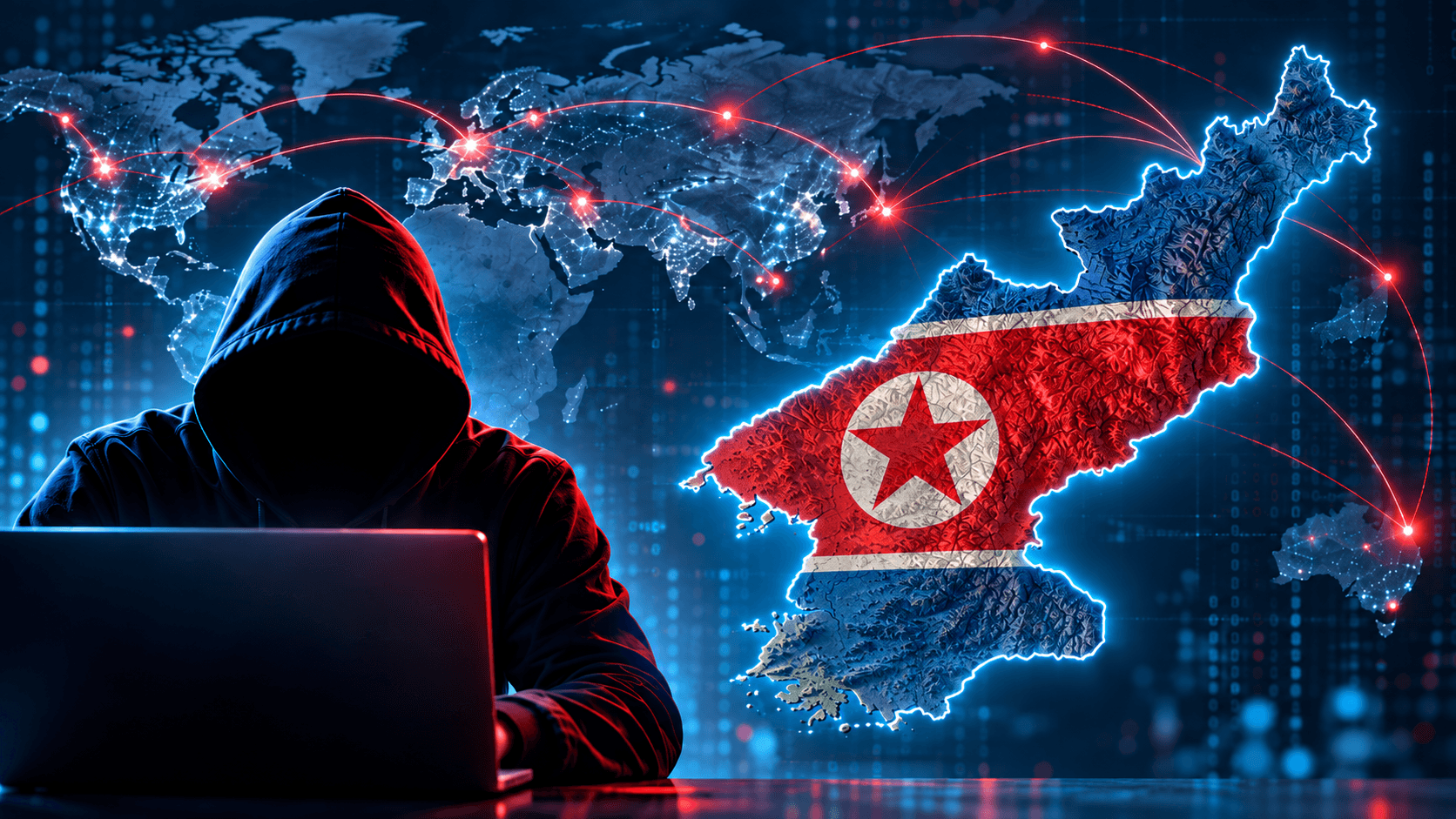
A recent Wall Street Journal investigation documented an extraordinary operation in which North Korean IT workers used stolen identities, fake résumés, AI, American intermediaries and remote-work infrastructure to obtain jobs at Western companies.
This isn’t simply another recruiting scam. It represents something much more significant: the hiring process itself has become a cybersecurity vulnerability.
Recruiting Has Become Part of the Security Perimeter
The scale of the operation is remarkable. The WSJ estimates that North Korea collects over eight-hundred million dollars annually from employers in the US and Europe.
Investigators followed one North Korean team that applied to more than a thousand companies in three months. They got twenty-two interviews in a single week using seven identities and were hired for multiple jobs.
The FBI has warned that the North Korean government has dispatched thousands of IT workers around the world who deceive companies into hiring them as remote employees using stolen identities, proxy computers and third parties located in the US to appear legitimate.
Recruiting is unwittingly complicit in this scheme. Once hired, these employees get a laptop and credentials that allow them to access sensitive company and customer information. In other words, the company gives them exactly the access that traditional cybersecurity systems are designed to prevent outsiders from obtaining.
They Have Industrialized Fraud
The most important lesson for recruiting leaders is the sophistication of the operation. According to the Journal investigation, North Korean teams divide recruiting into specialized functions that:
- Manage the operation.
- Create résumés.
- Apply for jobs.
- Complete interviews – using AI to provide answers, and using AI-generated video to conceal the identity (face-swapping) of the person being interviewed.
The FBI says facilitators have helped establish US-based internet connections, set up remote access to employer laptops, create job-site accounts, establish financial accounts and attend interviews or meetings on behalf of the supposed employee. Some are unknowing participants who do not realize that they are working for North Korea, but many are actively involved in perpetrating the fraud.
Background Checks Aren’t Enough
Don’t assume a background check provider will catch this. The entire operation is designed to exploit conventional verification systems.
Workers may use identities belonging to real Americans, including legitimate Social Security numbers and other personal information capable of passing automated checks. They precheck identities through the eVerify system to ensure they will pass employment authorization.
The FBI recommends that employers scrutinize identity documents, cross-reference photographs and contact information, independently verify employment and education, and perform identity verification not simply during hiring but throughout employment.
The warning signs may be surprisingly ordinary. Some of the detection techniques described by investigators sound almost too simple. For example:
- The weather where they say they live.
- Detailed questions about the city.
- About their university – describe the campus, name a few professors.
Recruiters should ask questions that require spontaneous answers rather than polished technical responses.
Six Controls Recruiting Leaders Should Implement
TA leaders should work with cybersecurity, HR operations, legal and IT to reconsider the hiring architecture for remote technical roles.
- Strengthen identity verification. Verify identity independently rather than relying on documents supplied by candidates. Services are available for using biometric checks, cross-referencing independent databases, and validating credentials directly at the source.
- Match the candidate across the entire hiring process. The person interviewed, assessed, background-checked, onboarded and given system access should demonstrably be the same individual. Conduct at least one live interaction without virtual backgrounds. Ideally, bring the candidate onsite or have someone meet them in-person.
- Introduce live, unscripted interaction: Include questions requiring contextual and spontaneous responses. Include a live assessment where the candidate explains or modifies their work in real time. That makes outsourcing the assessment or having another person take it substantially harder.
- Treat address changes as risk signals: A last-minute request to send a laptop somewhere different from the candidate’s verified address deserves additional verification.
- Audit staffing firms: Don’t simply ask whether vendors perform background checks. Require them to document identity-verification procedures.
- Continue verification after Day One: Security teams should watch for unauthorized remote-access software, unusual network connections and other indicators that someone other than the employee may be operating the corporate device.
Recruiting Leaders Need a New Mindset
Recruiters have long operated on the assumption that candidates might exaggerate who they are, but fundamentally they are the people sitting across the table. But now that assumption is weakening because of AI, remote work, identity theft and organized fraud.
Recruiting technology spent the last decade making it easier for people to apply and easier for companies to hire. The next challenge is very different. We need to make sure the person we are hiring actually exists—and that the person who shows up for work is the same person we hired. Because in the era of AI-enabled recruiting fraud, identity is one of the most important hiring qualifications of all.
Editor’s note: Next month’s ERE Recruiting Innovation Summit will feature a conversation with Stacey Zapar of Tenfold and Magen Gicinto of Nisos, the company that was instrumental in the operation that shed light on the entire North Korean operation via a trojan horse laptop.