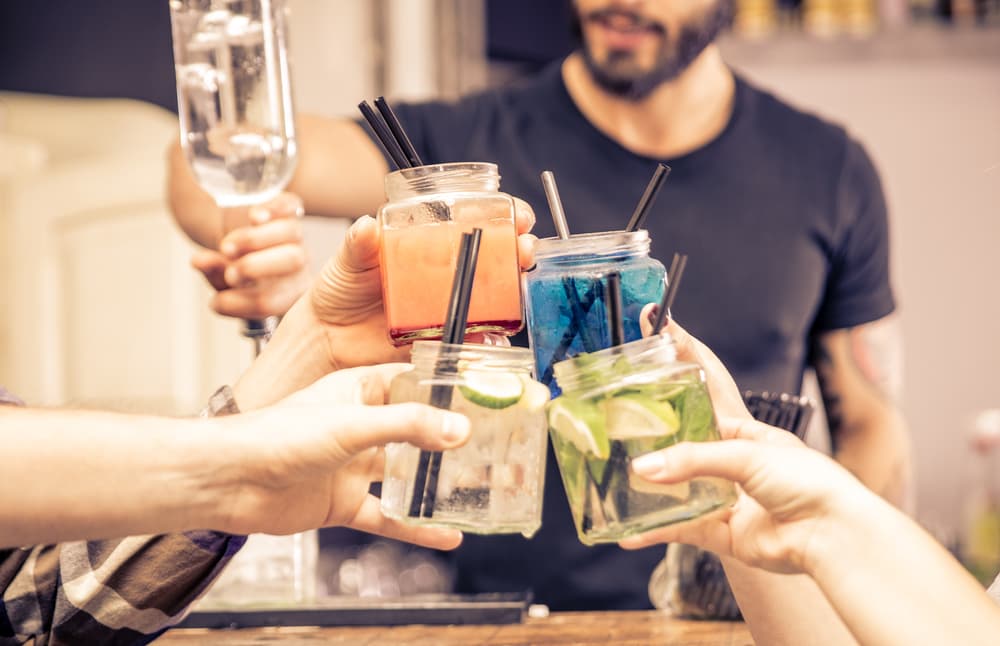
Going out for a beer after work is probably one of the oldest traditions in the modern workplace, but lately a growing number of companies are bucking that tradition by allowing alcohol in the office as an employee perk.
The Wall Street Journal called the office keg the new water cooler in a recent article, citing a Boston advertising agency who installed a beer vending machine in their break room. But companies get far more liberal with alcohol than that – some allow drinks at desks and during work hours.
Dropbox has something called “Whiskey Fridays,” and Threadless even brewed their own IPA.
Additionally, alcohol at work is becoming a clarion call for companies hoping to attract young, hip workers. In fact, the age of going out to the bar after work may be in a decline, and in a time of increased employee engagement, companies are helping the bar come to you.
There are two schools of thought on alcohol at work:
- One side thinks it increases face-time with co-workers, relaxes stress, and encourages positive interactions, increasing engagement.
- The other side thinks it can exclude and alienate employees who don’t drink, and can lead to unhealthy habits at work.
Both have good points, and we’re not here to judge. There are certainly workplaces where you absolutely do NOT want alcohol available during a shift (factory floors, etc.), yet on the other hand, it can really help build social bonds for other smaller, like-minded workforces or internal departments.
Side effects
While alcohol may take the edge off a stressful workday, it can also harm productivity and employee health if left unchecked. A recent study from the British Medical Journal revealed that working 48 plus hours a week led to more “risky” alcohol use from employees, defined as more than 14 drinks per week for women and more than 21 drinks per week for men, more commonly known as binge drinking.
We may joke about it occasionally, but hangovers – and they’ve actually done studies on this – from excessive drinking costs the U.S. economy some $250 billion annually in lost productivity. High-stress workplaces may see alcohol as an appropriate reward for a hard day’s work, but organizations that don’t balance it out properly with workload can quickly become enablers.
Here are some best practices if you decide to make alcohol available to your staff:
- Provide non-alcoholic alternatives — The mingling part brings the engagement benefits, not the drink choice. Not everyone drinks, and you run the risk of making them feel excluded or encouraging a clique culture if you don’t provide some sodas, water, or other alternatives.
- Ensure there are no additional stressors — Excessive working hours increases the chance of risky drinking behavior, so make sure you’re balancing work with play efficiently, and as always pay attention to the moods of your staff, keeping lines of communication open.
- Be sensible and safe — The truth is most people won’t want to hang around for more than an hour or so after work, so a one or two drink minimum isn’t unreasonable if you’re going to have an after-hours soiree. Make sure everyone has a safe way home, don’t get more alcohol than is necessary, and keep it casual.
Careful consideration
All in all, alcohol at work should be carefully considered.
It can really help camaraderie and hit the spot for everyone if the culture is conducive to it. However, it depends entirely on the working environment and how well it’s managed.
You want to make sure that if you provide alcohol it’s being used for fun and relaxation, not survival, and that everyone’s personal health is top of mind.
We’ll toast to that!
This was originally published on the Michael C. Fina blog.