Advertisement
4 Factors That Can Make Or Break Employee Assistance Programs



Get articles like this
in your inbox
The longest running and most trusted source of information serving talent acquisition professionals.
Advertisement
Related Articles
There is a growing body of evidence of the impact Employee Assistance Programs (EAP) have on workplace outcomes: lowered absenteeism, presenteeism and workplace distress, improved work engagement and life satisfaction.
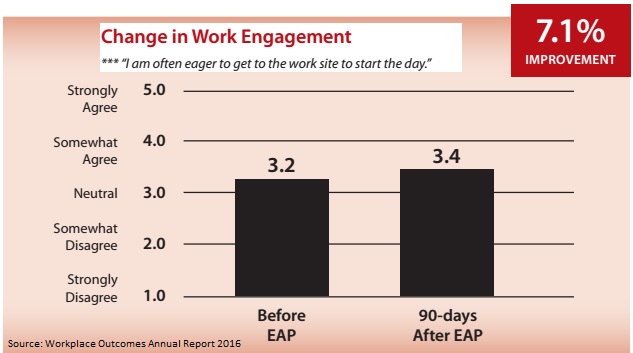 Chestnut Global Partners (CGP) and the Employee Assistance Professionals Association (EAPA) last year issued a report on the evaluation of 13,400 EAP users before and after EAP use, demonstrating that EAP intervention improves these five workplace variables. But EAP is also a talent management tool that resolves the root causes of many threats to productivity, engagement and retention.
So what is the best way to structure and deliver an EAP to ensure a program’s success in achieving these outcomes?
There are two types of EAPs: internal, staffed and run by company employees, and external, delivered by a contractor or vendor. External EAPs are often preferred when a purchaser is motivated by factors such as cost and efficiency. Some employees may feel greater comfort seeking such personal services away from the worksite.
However, employers should consider another option; the internal-external or “hybrid” EAP. Hybrid EAPs blend the benefits of both internal and external programs: clinical service on and offsite, rapid response, increased supervisory referrals and 24/7 global coverage. Thus the Goldilocks conundrum: How to customize an EAP that has the right elements to be most effective at optimizing your talent.
Recently, researchers interviewed 29 current internal or hybrid EAP managers, half from current programs and half from programs that had been downsized, outsourced or eliminated. The intent was to better understand these front line managers’ experiences and the circumstances where their programs thrived and where they faltered. The study found consistencies in organizational factors and EAP managerial characteristics that may be related to success, and also erosion of more robust investments in internal EAP. The key factors included:
There are critical take-aways for the HR and benefits communities. Whether an internal, external or hybrid EAP is right for your organization, don’t marginalize your EAP. You will most certainly get what you pay for. Consider your pressing human capital issues. Consider the value for which an internal or hybrid program could add to and fit within your internal infrastructure. Consider the risks you assume by not offering a high quality EAP. The relatively small financial investment of internal or hybrid EAPs will offset increases in productivity, engagement, safety, and overall value to the HR function.
Investing in an internal or hybrid EAP may not be right for every organization. However, for many, this small investment, structured the right way, can bring an invaluable resource to a thoughtful HR and talent management strategy.